

Professional wrestling has always been more than just what happens inside the ring. The drama, rivalries, backstage politics, and behind-the-scenes stories have fascinated fans for decades. In recent years, a new medium has transformed how fans experience wrestling: podcasts.
In 2026, wrestling podcasts have become one of the most important platforms for fans who want deeper insight into the industry. From veteran wrestlers sharing stories from legendary matches to analysts breaking down weekly shows, podcasts offer a level of discussion and storytelling that traditional television rarely provides.
Hardcore fans now rely on wrestling podcasts for match analysis, backstage rumors, historical discussions, and insider commentary. Many listeners even consider podcasts an essential companion to weekly wrestling programming.
This article explores why wrestling podcasts are growing so rapidly and why they have become a central part of modern wrestling culture.
The Evolution of Wrestling Media
Before podcasts became popular, wrestling fans relied mainly on television shows, magazines, and internet forums to stay informed.
Promotions like World Wrestling Entertainment and All Elite Wrestling controlled most of the storytelling through their weekly broadcasts.
While those shows provided entertainment, they rarely explained the deeper aspects of wrestling such as creative decisions, backstage relationships, or long-term business strategies.
Podcasts changed everything.
Because podcasts are conversational and unscripted, they allow wrestlers, journalists, and analysts to discuss wrestling in ways that feel authentic and personal.
Listeners can hear detailed stories about famous matches, contract negotiations, locker room experiences, and the realities of life on the road.
Why Hardcore Wrestling Fans Love Podcasts
Hardcore wrestling fans crave more information than casual viewers. They want to understand the motivations behind storylines, the history of rivalries, and the business decisions that shape the industry.
Podcasts deliver exactly that.
Instead of simply watching matches, fans can now listen to experts analyze them in depth. This creates a deeper connection with the wrestling world.
For example, many podcasts review episodes of shows like Raw, SmackDown, and Dynamite immediately after they air. These discussions break down:
- match psychology
- storyline direction
- performer character development
- crowd reactions
This analysis helps fans appreciate the complexity of professional wrestling as both an athletic performance and a storytelling medium.
Podcasts Provide Insider Stories From Wrestling Legends
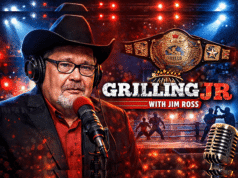
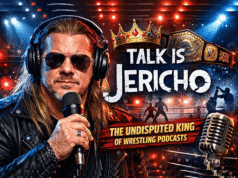
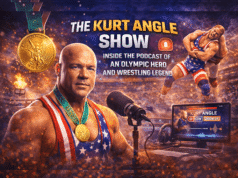
One of the biggest reasons wrestling podcasts are so popular is the presence of legendary wrestlers sharing their experiences.
Many former stars now host their own podcasts where they discuss iconic matches, controversial moments, and the evolution of the industry.
These conversations often reveal fascinating details that fans never saw on television.
Listeners can hear stories about training sessions, backstage disagreements, travel experiences, and creative decisions that shaped famous wrestling events.
Because these stories come directly from the people who lived them, they provide a unique perspective that traditional media cannot replicate.
The Rise of Independent Wrestling Podcasts
While podcasts hosted by famous wrestlers attract large audiences, independent wrestling podcasts have also gained significant popularity.
These shows are often hosted by journalists, analysts, or lifelong fans who bring deep knowledge of wrestling history.
Independent podcasts frequently cover topics that mainstream promotions avoid, including:
- controversial booking decisions
- industry politics
- emerging wrestling promotions
- historical match analysis
This freedom allows hosts to explore wrestling in ways that traditional media outlets rarely attempt.
Podcasts Build Strong Wrestling Communities
Another reason wrestling podcasts are thriving is the sense of community they create.
Podcast hosts often interact directly with their audiences through live streams, social media, and listener questions.
Fans feel like they are part of a conversation rather than passive viewers.
This community aspect is especially important for hardcore fans who enjoy discussing theories, predictions, and opinions about upcoming matches.
Many podcast listeners form online communities where they debate wrestling topics and share their own perspectives on storylines.
Wrestling Podcasts Offer Instant Show Analysis
Modern wrestling fans expect immediate reactions after major shows and pay-per-view events.
Podcasts provide exactly that.
After a big event, many wrestling podcasts release episodes within hours, breaking down every match and storyline development.
This rapid analysis allows fans to relive the excitement of the show while hearing expert opinions about what happened.
These discussions often highlight subtle storytelling elements that viewers may have missed during the live broadcast.
The Influence of Podcasts on Wrestling Journalism
The growth of podcasts has also changed how wrestling journalism works.
Traditional written articles are still important, but podcasts allow journalists to discuss complex topics in a more conversational format.
Instead of reading a report about wrestling news, fans can listen to detailed discussions where journalists analyze the implications of that news.
This format feels more engaging and allows hosts to explain their reasoning in greater depth.
Podcasts Help Promote New Wrestling Talent
Podcasts are also valuable platforms for introducing fans to rising wrestling stars.
Many independent wrestlers appear on podcasts to discuss their careers, training experiences, and goals for the future.
These interviews help fans discover new performers before they become mainstream stars.
For wrestling promotions, podcast appearances are an effective marketing tool because they allow talent to connect directly with audiences.
Wrestling Podcasts Cover Wrestling History
Professional wrestling has a rich and fascinating history spanning more than a century.
Podcasts dedicated to wrestling history explore legendary matches, classic rivalries, and influential promoters.
These historical discussions help fans understand how modern wrestling evolved.
For newer fans, learning about past eras adds context to the current industry and deepens their appreciation for the sport.
The Business Side of Wrestling Podcasts
Podcasts are not just entertainment; they are also profitable media platforms.
Popular wrestling podcasts generate revenue through:
- advertising sponsorships
- subscription content
- merchandise sales
- live podcast events
Because podcasts have loyal audiences, advertisers are eager to reach wrestling fans through these shows.
This financial success has encouraged more wrestlers and analysts to launch their own podcasts.
Podcasts Strengthen the Connection Between Fans and Wrestlers
One of the most unique aspects of wrestling podcasts is how they humanize performers.
On television, wrestlers often stay in character. On podcasts, they can speak openly about their real experiences and personalities.
This transparency helps fans feel closer to the performers they admire.
Hearing wrestlers discuss their challenges, injuries, and career journeys creates a stronger emotional connection between fans and athletes.
The Future of Wrestling Podcasts
The popularity of wrestling podcasts shows no signs of slowing down.
As streaming technology improves and audiences continue shifting toward digital media, podcasts will likely become even more influential.
Future developments may include:
- interactive live podcast events
- video podcast formats
- collaborations between wrestling promotions and podcast creators
These innovations will further integrate podcasts into the wrestling entertainment ecosystem.
Conclusion
Wrestling podcasts have become an essential part of the modern wrestling experience. They provide insight, analysis, storytelling, and community engagement that traditional wrestling broadcasts cannot offer.
For hardcore fans, podcasts serve as a deeper gateway into the industry, revealing the strategies, personalities, and history behind professional wrestling.
As the wrestling world continues evolving, podcasts will remain one of the most powerful ways for fans to connect with the sport they love.
Whether listeners want expert analysis, historical discussions, or insider stories from legendary wrestlers, wrestling podcasts deliver content that keeps fans informed, entertained, and engaged.