

Professional wrestling has always evolved alongside changing entertainment trends, technology, and fan expectations. In 2026, the wrestling industry is experiencing one of its most competitive and innovative periods in decades. With multiple promotions expanding globally, streaming platforms transforming content distribution, and new superstars rising to international fame, professional wrestling continues to thrive as a global entertainment powerhouse.
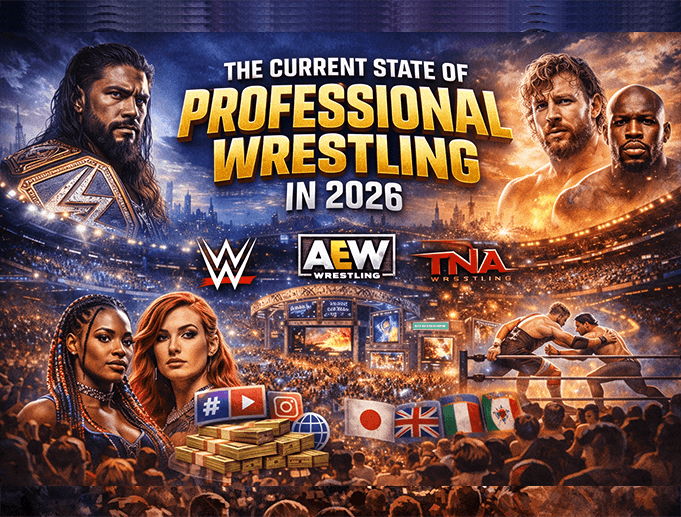
The modern wrestling landscape is no longer dominated by a single company. Instead, several major promotions compete for viewership, talent, and market share. Promotions such as World Wrestling Entertainment, All Elite Wrestling, and Total Nonstop Action Wrestling all play important roles in shaping the future of sports entertainment.
As fans demand better storytelling, high-quality in-ring performances, and authentic characters, wrestling companies are adapting quickly to meet those expectations.
The Dominance of WWE in 2026
Despite increased competition, World Wrestling Entertainment remains the most powerful promotion in the professional wrestling industry. With decades of brand recognition, massive television deals, and global reach, WWE continues to dominate mainstream wrestling entertainment.
The company’s flagship shows such as Raw, SmackDown, and NXT still attract millions of viewers worldwide. WWE also continues to produce some of the biggest live events in sports entertainment, including the legendary WrestleMania.
In 2026, WWE focuses heavily on creating cinematic storytelling combined with high-impact athletic performances. Superstars are developed not only as athletes but also as entertainment personalities capable of appearing in movies, podcasts, and streaming shows.
WWE’s global strategy includes expanding into international markets, hosting premium live events in countries across Europe, Asia, and the Middle East.
AEW’s Rapid Growth and Influence
While WWE maintains its industry leadership, All Elite Wrestling has firmly established itself as the second-largest wrestling promotion in the world.
Since its launch in 2019, AEW has built a loyal fan base by offering a wrestling-focused product with longer matches, creative freedom for performers, and a more sports-centric presentation.
By 2026, AEW programming such as Dynamite, Rampage, and Collision continues to attract strong ratings and online engagement.
AEW’s success is largely driven by its willingness to collaborate with international promotions. These cross-promotional events create dream matches that fans once believed were impossible.
One of the biggest examples of this collaboration is the annual event Forbidden Door, where wrestlers from different companies compete on the same card.
This event symbolizes the modern era of professional wrestling, where cooperation between promotions helps expand the global wrestling audience.
The Revival of TNA Wrestling
Another surprising development in recent years has been the resurgence of Total Nonstop Action Wrestling.
Once considered a struggling promotion, TNA has successfully rebuilt its reputation through improved storytelling, strong talent development, and consistent television production.
The company has positioned itself as a unique alternative to both WWE and AEW by focusing on innovative match concepts and rising independent wrestling stars.
TNA’s emphasis on long-term storytelling has earned praise from fans who appreciate deeper character development and unpredictable storylines.
International Wrestling Promotions Rising
Professional wrestling is no longer centered solely in the United States. In fact, international promotions now play a crucial role in shaping the global wrestling landscape.
One of the most influential companies outside the United States is New Japan Pro-Wrestling.
NJPW is known for its strong-style wrestling philosophy, which emphasizes hard-hitting strikes and realistic in-ring competition.
Japanese promotions have always maintained a dedicated fan base, but the global popularity of streaming platforms has helped bring their content to a wider international audience.
European wrestling promotions are also gaining attention, with several independent companies producing high-quality shows and developing future wrestling stars.
The Role of Streaming Platforms
One of the biggest transformations in the wrestling industry involves digital distribution.
Streaming services have revolutionized how fans watch wrestling content. Instead of relying solely on television broadcasts, fans now consume wrestling through online platforms, mobile apps, and on-demand streaming libraries.
Wrestling promotions now produce documentaries, behind-the-scenes content, and exclusive digital shows to keep fans engaged between major events.
This strategy helps promotions reach younger audiences who primarily consume entertainment through digital platforms.
The New Generation of Wrestling Superstars
Another important aspect of the wrestling industry in 2026 is the rise of a new generation of performers.
Modern wrestling stars combine athletic ability, charisma, and social media presence to build their brands. Today’s wrestlers interact directly with fans through live streams, podcasts, and online communities.
This new level of accessibility strengthens fan loyalty and allows performers to build personal connections with their audience.
Young wrestlers entering the industry are often trained in multiple wrestling styles, including American sports entertainment, Japanese strong style, and Mexican lucha libre.
This diversity creates exciting in-ring performances that appeal to global audiences.
Women’s Wrestling Continues to Grow
Women’s wrestling has undergone one of the most significant transformations in professional wrestling history.
Female wrestlers are no longer limited to short matches or secondary storylines. Instead, they headline major events, compete in championship matches, and play central roles in long-term narratives.
Major promotions now invest heavily in developing women’s divisions with strong storytelling and competitive rivalries.
As a result, women’s wrestling has become one of the fastest-growing segments of the industry.
Independent Wrestling Still Matters
While major promotions dominate television ratings, independent wrestling remains a crucial part of the wrestling ecosystem.
Independent promotions provide opportunities for young performers to gain experience and develop their skills before joining larger companies.
Many of today’s top wrestling stars began their careers in independent wrestling circuits before achieving mainstream success.
Indie promotions also allow creative experimentation, often introducing innovative match formats and storytelling techniques that eventually influence larger companies.
Wrestling Fans in the Digital Age
Modern wrestling fandom has become more interactive than ever before.
Social media platforms allow fans to discuss storylines, share opinions, and analyze matches instantly after shows air.
Podcasts, YouTube channels, and online forums dedicated to wrestling analysis have created an entire ecosystem of wrestling media.
This constant conversation between fans and promotions shapes how companies develop future storylines and characters.
The Business Side of Wrestling
Professional wrestling is also a multi-billion-dollar entertainment industry.
Revenue sources include:
- Television rights deals
- Streaming partnerships
- Live event ticket sales
- Merchandise
- Sponsorships
Major promotions continue to expand their global presence through international tours and premium live events.
The business side of wrestling has never been stronger, with companies investing heavily in production quality and marketing strategies.
The Future of Professional Wrestling
Looking ahead, the wrestling industry appears stronger than ever.
Competition between major promotions encourages innovation, improved storytelling, and higher production standards.
Technological advancements such as virtual reality broadcasts, advanced camera systems, and interactive fan experiences could further transform how wrestling is presented.
The next generation of wrestling fans is discovering the industry through digital platforms, ensuring that professional wrestling remains relevant in the evolving entertainment landscape.
Conclusion
The current state of professional wrestling in 2026 reflects a dynamic and rapidly evolving industry. Multiple promotions compete for attention, international markets continue to expand, and new stars emerge every year.
Companies like WWE, AEW, and TNA each contribute unique elements to the wrestling world, creating a diverse entertainment ecosystem for fans to enjoy.
With technological innovation, global expansion, and passionate fan engagement, professional wrestling appears poised to continue thriving for many years to come.